Water Projects
BRINGING YOU ALTERNATIVE WATER SOURCES
Bench Phase
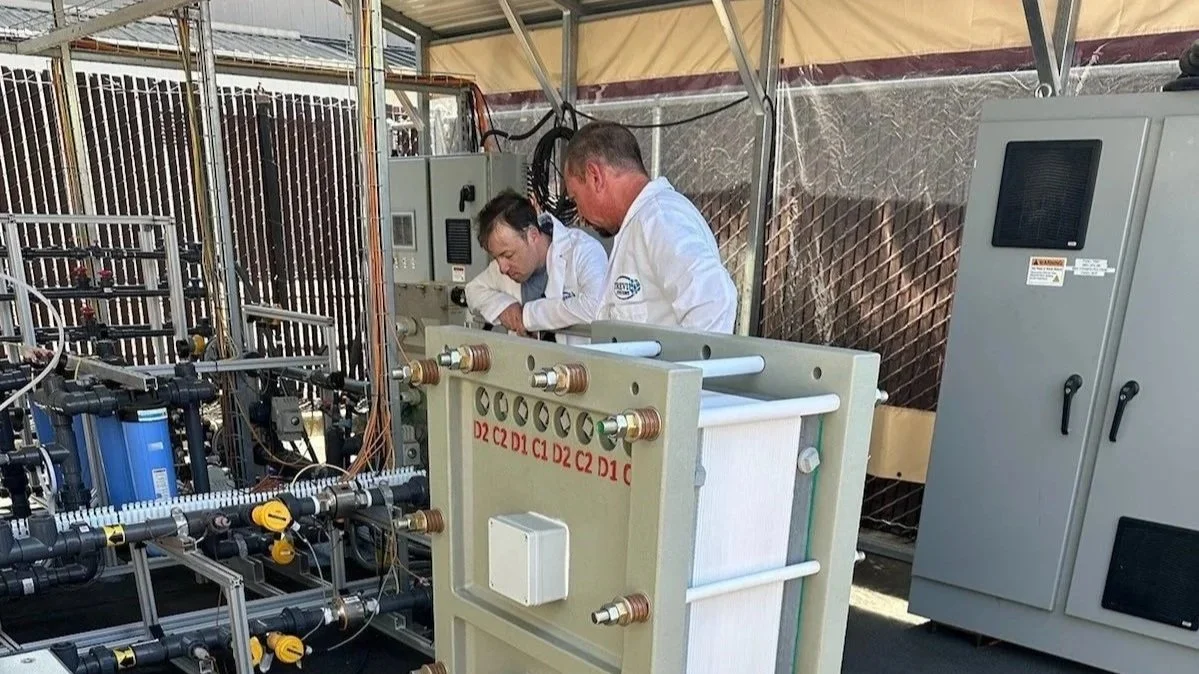
Design, Lab & Field Tests
Cloacina - Membrane Bioreactor (MBR) systems
Electrodialysis Reversal (EDR) and Capacitive-Electrodialysis Reversal (C-EDR)
Hydrodynamic Cavitation
MNS Engineers - Wastewater Reclamation
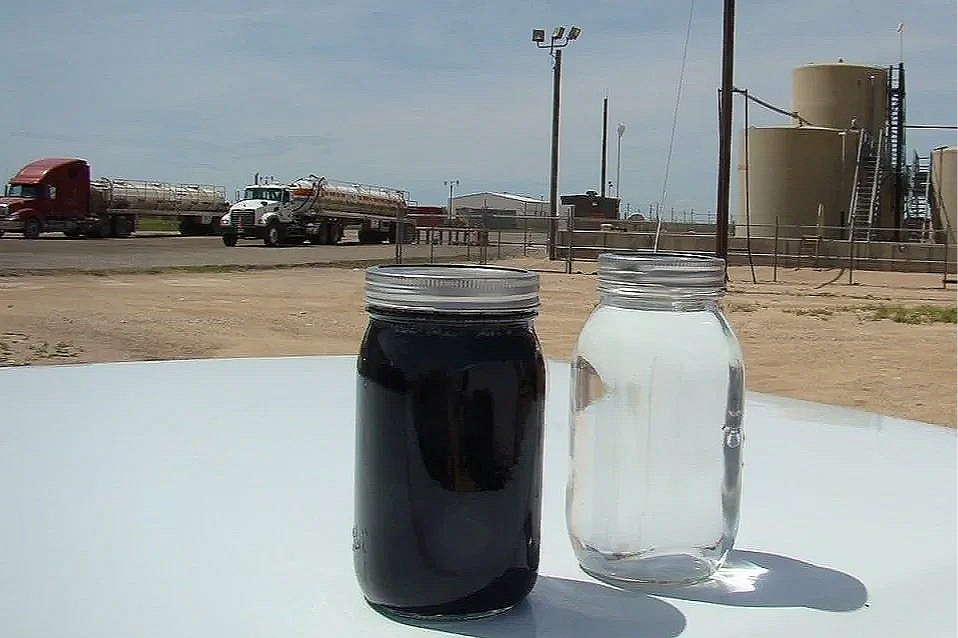
MNS Engineers - Oilfield Produced Water
Reverse Osmosis (RO)
Pressurized Forward Osmosis (PFO) or (OARO)
Advanced Oxidative Processes (AOP)
Zero Liquid Discharge (ZLD)
Pilot Phase
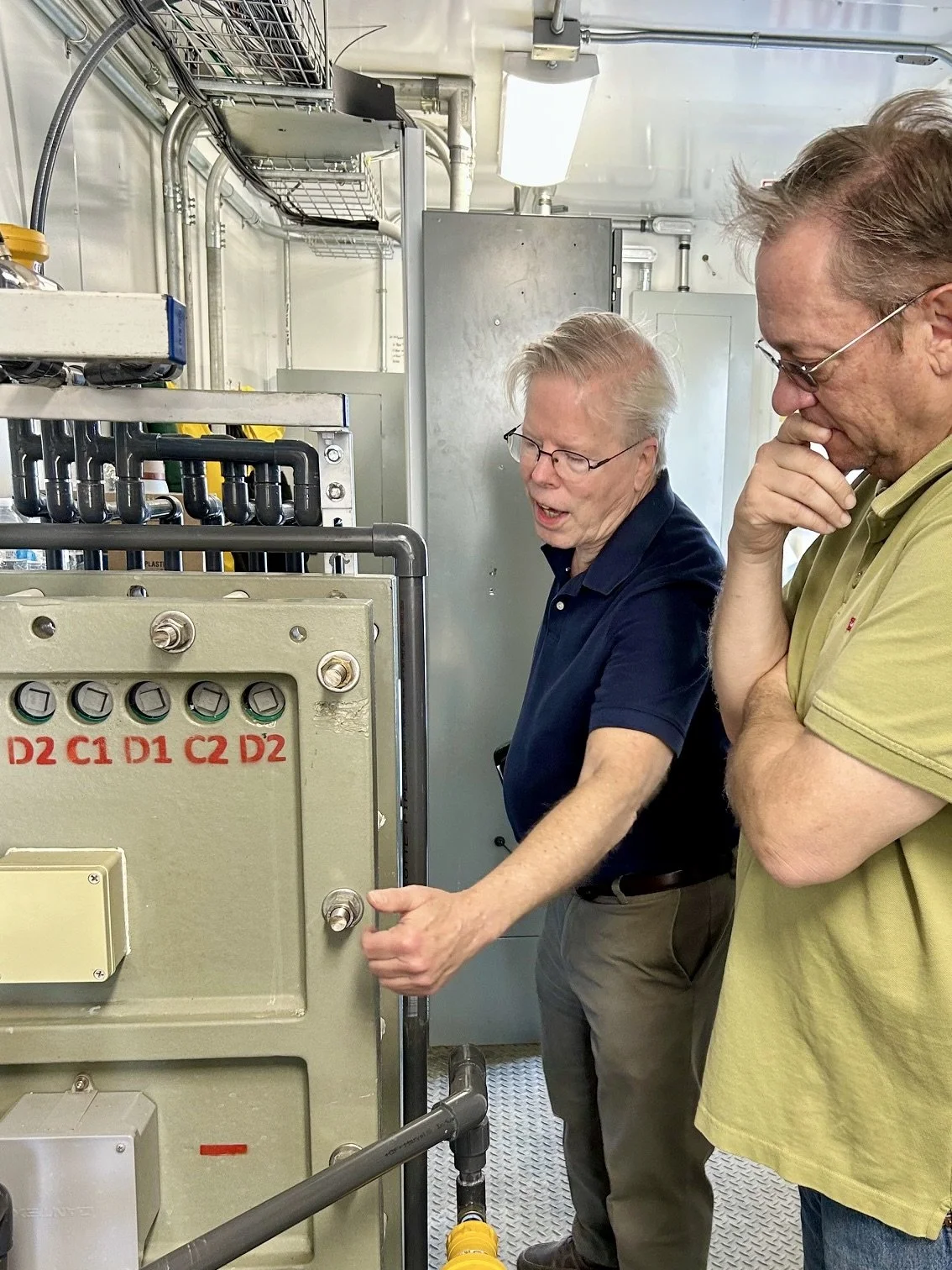
Seeking Maximum Water Capture
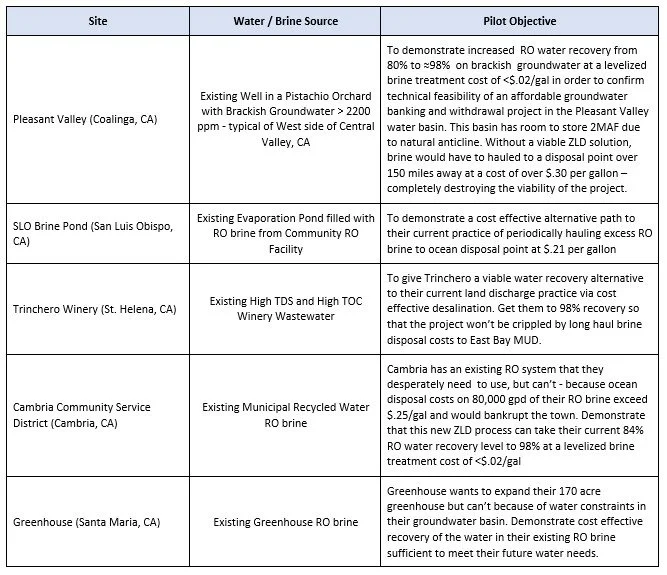
Pleasant Valley - Coalinga, CA - Desalinating Brackish Groundwater & Achieving ZLD at a Proposed Water Bank Site
San Luis Obispo - Achieving ZLD on Existing RO Brine Stored in a Pond
Trinchero Winery - Desalinating and Achieving ZLD on High Organic/High Salinity Winery Wastewater
Cambria - Achieving ZLD on Existing RO Brine at a Municipal Recycled Water Site
Windset Farms - Achieving ZLD on Existing Greenhouse BWRO Brine
Commercial phase
2026 Clients
Greenhouse - California
Winery - California
Food Processing Facility - Wisconsin
2027 Clients
Small Municipality
Greenhouse
The Five Pilots carried out by GWI demonstrated
99% Water Recovery is now possible for
all Inland Desalination Projects!
Removing Water from Brine More Efficiently and Less Expensively
These 5 pilots, carried out by Global Water Innovations, were funded through a grant from the National Alliance for Water Innovation, with the money provided by California’s Department of Water Resources (CA DWR). At each pilot site, water recovery was increased from the existing RO limit (typically in the 80-to-85% range) all the way up to 98%+.
This was done at a levelized cost significantly less than the site’s existing disposal options. For instance, one pilot site, the small town of Cambria, is currently forced to pay 25-cents per gallon for trucking and ocean disposal of brine. The pilot demonstrated we could take more water out of the brine, making the load lighter so they would only have to pay a levelized cost of less than 2-cents per gallon for brine disposal.
Full study results can be found in a paper published June 5, 2026 in Vol 8, Issue 86 of the Academic Journal of Research and Scientific Publishing. The paper is titled “High-recovery Inland Brine Management for California Water Resilience” and the authors are John Webley, Michael Greene, and Clark Easter.